

Danny Goldberg
Entrepreneur | Helping Organizations Build Stronger Leaders, Retain Great People & Create High-Performing Teams
Profile Links
Fee Range
Please contact us for pricingTravels From
New York City, NY
Danny Goldberg
Biography
Before Danny Goldberg ever spoke about high-performing teams, he had to build one.
By his early twenties, Danny was running a global manufacturing agency out of Hong Kong, serving brands like Peloton, Traeger, and Gravity Blankets. Leading a remote, multigenerational team across cultures and time zones forced him to lead differently and left him obsessed with one question:
What creates a high-performing team?
Over time, Danny and his team grew the business to eight figures.
After leaving the business, Danny wanted to know whether what he had experienced was unique to his team or held true elsewhere. That led to years of research and hundreds of interviews with executives, managers, and frontline employees.
Across industries and organizations, the same patterns kept showing up.
Performance isn’t a talent problem. It’s a conditions problem.
Danny is also the founder of Groundwork, a diagnostic platform that helps organizations measure the conditions that shape how their teams perform.
Today, his keynotes help leaders and teams build trust, better understand the people around them, strengthen how they work together, and create environments where people speak up, stay engaged, adapt, and perform at their best.
Danny Goldberg
Featured Videos
Current: Speaking Reel
Time 05:42
More Videos From Danny Goldberg
Danny Goldberg
Featured Keynote Programs
LEADERSHIP REWIRED
How Great Leaders Bring Out the Best in Their People
Leaders are being asked to do more than ever.
Deliver results. Navigate constant change. Develop people. Retain great talent.
The job goes beyond managing the work. It requires getting people to speak up sooner, keeping them engaged, and leading across different needs, expectations, and ways of working.
The best leaders don't simply ask more from their people. They know how to bring more out of them.
Before ever speaking about leadership, Danny Goldberg spent years building a global manufacturing agency and leading a team across generations, cultures, and continents. Since then, he has interviewed hundreds of executives, managers, and frontline employees to understand what great leaders do differently.
In this keynote, Danny helps leaders build trust, better understand the individual people they lead, and create the conditions where people speak up, take ownership, and do their best work.
This is the new standard of leadership.
Audiences will leave ready to:
● Build the trust that makes honest communication, feedback, and accountability easier
● Lead different people effectively instead of relying on a one-size-fits-all approach
● Create an environment where people speak up sooner, share their ideas, and take greater ownership
● Keep people aligned and moving forward when priorities, expectations, or ways of working change
● Bring more out of the talent they already have
THE RETENTION ADVANTAGE
Building a Workplace People Never Want to Leave
Hiring great people isn't the same as keeping them.
By the time someone tells you they're leaving, the decision has usually been building for months, shaped by everyday experiences: whether they feel understood by their manager, whether their contribution feels valued, and whether they can see a future with the organization.
People don't decide to stay once. They decide to stay over and over again.
And those experiences shape more than retention. They affect how engaged people are, how much they grow, and how much they contribute.
Before ever speaking on a stage, Danny Goldberg spent years building a global manufacturing agency and leading a team across generations, cultures, and continents. Since then, he has interviewed hundreds of executives, managers, and frontline employees to understand what makes people want to stay and do their best work.
In this keynote, Danny helps leaders understand where retention is won or lost and what they can do before people decide to leave.
Instead of assuming everyone wants the same thing, leaders learn to understand the individual in front of them: what matters to that person, what helps them feel valued, and where they want to go next.
Audiences will leave ready to:
● Recognize what gives great people a reason to stay
● Understand what matters to each person instead of relying on one-size-fits-all or generational assumptions
● Spot disengagement earlier, while there's still time to do something about it
● Help talented people feel valued, keep growing, and see a future inside the organization
● Keep great people engaged, contributing, and doing their best work
DEVELOPING NEXT GEN LEADERS
Helping High-Potential People Become Stronger Leaders
The next generation of leaders is already in your organization.
They're the people you're betting on: the ones who take initiative, solve problems, and deliver results.
But once they step into leadership, delivering great work themselves is no longer enough.
It's about building trust, setting clear expectations, giving feedback, creating accountability, and helping different people do their best work.
That shift takes more than a new title.
Without the right development, even talented people can default to pressure, avoidance, or micromanagement.
Before ever speaking on a stage, Danny Goldberg spent years building a global manufacturing agency and leading a team across generations, cultures, and continents. Since then, hundreds of interviews with executives, managers, and frontline employees have reinforced something he learned firsthand:
Leadership changes the moment your success depends on helping other people succeed.
In this keynote, Danny helps emerging leaders make the shift from doing great work themselves to creating the conditions for others to perform at their best.
Audiences will leave ready to:
● Shift from succeeding through their own performance to helping others perform at their best
● Build trust while setting clear expectations and creating accountability
● Navigate feedback and difficult conversations with greater confidence
● Understand how to lead people with different personalities, expectations, and ways of working
● Recognize how their everyday leadership choices shape how others contribute and perform
THE PERFORMANCE MULTIPLIER
How Everyone Contributes to a Higher-Performing Team
You can have great people and still not have a great team.
You already have talented people who care about the work, bring different strengths, and want to do well.
But great teams are built through the small interactions that happen every day, across roles and levels: whether people speak up, follow through, and work through differences.
The strongest teams don't just add up individual talent. They multiply it.
Before ever speaking on a stage, Danny Goldberg spent years building a global manufacturing agency and leading a team across generations, cultures, and continents. Since then, hundreds of interviews with executives, managers, and frontline employees have reinforced what he learned firsthand:
You don't need a leadership title to shape the team around you.
In this keynote, Danny helps people at every level see the impact their everyday actions have on their team and what they can do to make it stronger.
Audiences will leave ready to:
● Build trust that makes honest communication and better ideas possible
● Speak up earlier instead of letting small issues become bigger ones
● Work effectively with different personalities, generations, and ways of working
● Be someone teammates can count on
● Recognize the role they play in building a stronger, higher-performing team, regardless of title
Frequently Asked Questions
Quick answers to some of the most common questions about booking Danny Goldberg for your event.
How do I book Danny Goldberg for my event?
Booking Danny Goldberg with Premiere Speakers Bureau is a streamlined 4-step process:
- Availability Check: Contact us with your event date and budget to verify if your desired speaker is available.
- Hold Date: We place a temporary "hold" on the speaker's calendar while you finalize internal approval.
- Contracting: We issue a contract outlining the fee, cancellation policy, and event expectations.
- Logistics: Once signed, our event management team handles all travel booking, itinerary, and AV requirements.
Why should I partner with Premiere Speakers Bureau rather than contacting speakers directly?
Partnering with Premiere Speakers Bureau provides a comprehensive safety net for your event that direct booking cannot match. You get the same speaker for the same price, but with a dedicated team with over 30 years of event experience handling contracts, logistics, and are prepared for any emergency. We know what it takes to run an excellent event.
What makes Premiere Speakers Bureau unique compared to other agencies?
Premiere Speakers Bureau distinguishes itself by having over 30 years of experience while partnering with more than 35,000 events. PSB has also built a streamlined, fully online process that makes booking a speaker, handling travel and payments extremely easy for anyone looking to plan a speaker led event.
How does Premiere Speakers Bureau's 'Zero Cost Service' model work?
Premiere Speakers Bureau operates on a 'Zero Cost Service' model for event planners. Our services—including research, booking, and logistics—are always free to the client. The speaker covers our commission from their standard honorarium as payment for our role in marketing and managing their engagements.
How are speaker fees structured, and what is typically included?
A speaker's fee typically covers the keynote presentation, a pre-event planning call, and standard customization. Travel expenses are usually billed separately.
What are the standard policies for speaker travel and expenses?
Travel expenses are negotiated during contracting. We generally recommend a flat travel fee for simplicity, though we also offer line-by-line invoicing when preferred. PSB ensures these expenses adhere to professional standards, and our Event Portal allows for easy tracking and invoicing.
Danny Goldberg's Featured & Related Topics
Find Similar Speakers Future of Work





Popular Speakers

Dr. Jessica Kriegel
CEO Advisor and Doctor of Leadership, Best-selling Author

Candy Valentino
Founder, investor, WSJ Best-Selling Author and Serial Entrepreneur
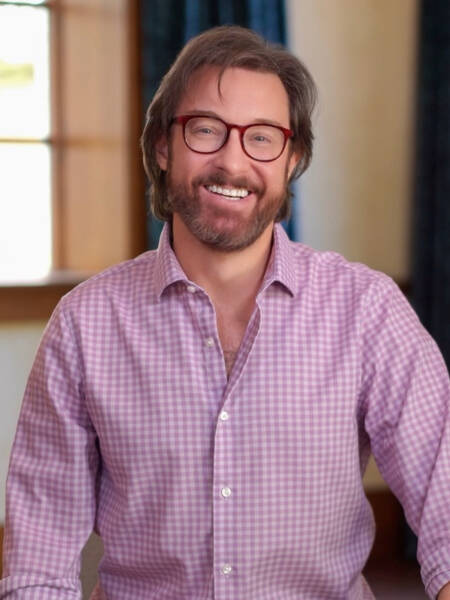
Brett Culp
Award-winning documentary filmmaker helping leaders and teams rediscover clarity, courage, and connection in times of transformation

Dr. Ben Carson
Former US Secretary of Housing and Urban Development / Conservative Political Thought Leader / Renowned Pediatric Neurosurgeon

Deion Sanders
Pro Football Hall of Famer, Two-Time Super Bowl Champion and Coach
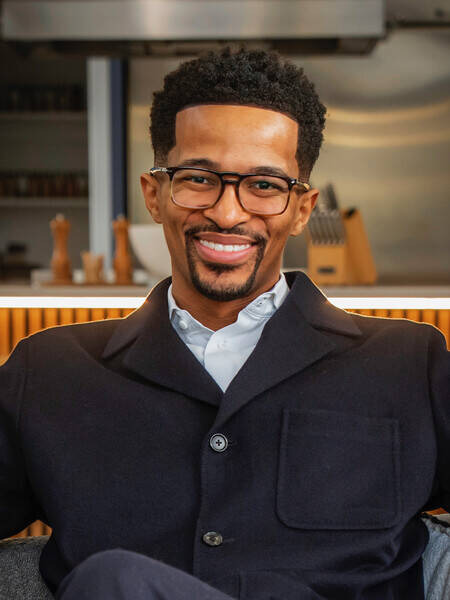
Ryan Leak
Inspiring Workplace Cultures Rooted in Values, Passion and Risk-Taking

Jon Acuff
One of INC's Top 100 Leadership Speakers, New York Times Bestselling Author of Soundtracks, Finish and Do Over
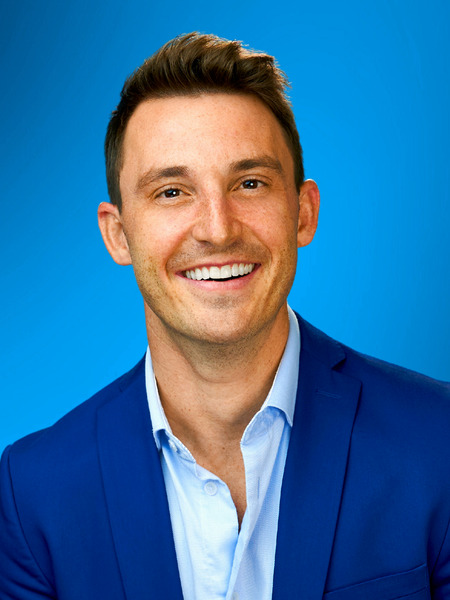
Alex Weber
Be Unstoppable! with Leadership & Performance Expert, American Ninja Warrior, & Acclaimed Author