
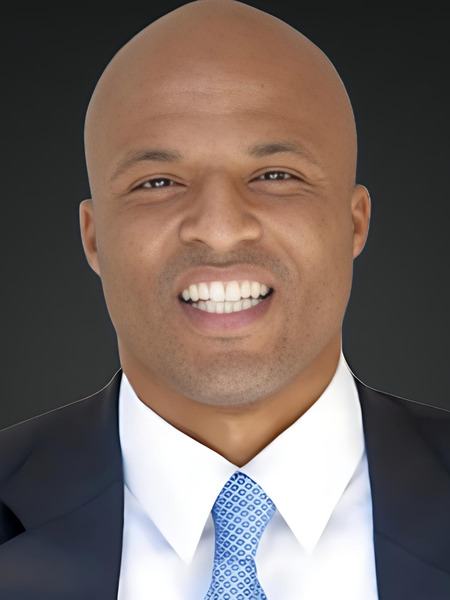
Damon Dunn
3X CEO and Visionary Entrepreneur, Franchise Empire Builder, Fellow, Stanford Hoover Institution, Former NFL Player, Author
Profile Links
Fee Range
Please contact us for pricing
Damon Dunn
Biography
Where grit meets greatness, and credibility meets charisma.
Damon Dunn delivers more than motivation—he delivers credibility, clarity, and commercial value. A former NFL wide receiver turned Ivy League scholar, Damon earned degrees from Stanford University and Harvard Business School before becoming a three-time CEO and a respected voice in national public policy. He was named to TIME Magazine’s “Top 40 Under 40” alongside future governors and cabinet members, and profiled by Forbes for his extraordinary journey from poverty to power.
Damon is a rare blend of elite performance and lived experience. He’s led highnet-worth family offices, written a college-level textbook on poverty reform, served as a Fellow at the Hoover Institution and the Pacific Research Institute, and sits on the Board of Directors for the International Franchise Association, representing brands from McDonald's to FastSigns.
What makes Damon different? He’s not a theorist. He’s been in the trenches— building companies, shaping policy, leading teams, and overcoming adversity. His story doesn’t just inspire—it legitimizes. His insights don’t just entertain— they activate.
With authority in four monetizable verticals—sports, academics, business, and public policy—Damon delivers keynotes that resonate across industries, drive real engagement, and leave lasting impact. Whether he’s speaking to CEOs, franchise owners, student-athletes, or policymakers, Damon brings substance, strategy, and presence few can match.rmational insight. He’s a speaker who inspires action—not just applause.
Damon Dunn
Featured Videos
Current: Who is Outworking You
Time 02:39
More Videos From Damon Dunn
Damon Dunn
Featured Keynote Programs
Locked In
The Bold Create the Future
Why do people, teams, and organizations standing in the same reality experience different futures?
Because the future is not determined by reality alone. It is determined by the filter through which reality is read. Life experience shapes that filter. It decides what you notice, what you ignore, and what you make it mean. The future arrives last. The filter arrives first.
Damon grew up inside that question. He started in a trailer, in poverty. From poverty to Stanford, where he captained the football team and earned All-Pac-10 honors. From Stanford to the NFL. From the NFL to two elite public policy think tanks, the Hoover Institution and the Pacific Research Institute, where he studied why some people find the exit from poverty and others never do.
And from there to the chief executive's office of three companies, where he allocated more than $200 million of capital and delivered 5X returns for equity partners.
Every event is trying to create a future that does not exist yet. Growth after a plateau. Reinvention. A new category. A bigger vision than the one that got you here.
A company is either evolving, setting new futures into motion, or it is falling behind the ones that are. There is no third position. The market does not hold still while you do.
Before every engagement, Damon works with organizers to identify the future they are trying to create, then builds the keynote around launching it.
Measure Weekly Hit Your Annual Goals
Why do companies with the same annual goals finish the year with different results?
Because goals are set annually and achieved weekly. Every company has goals. The best companies have a mechanism that measures the parts producing them every week and corrects the course before a miss becomes a year.
Damon learned it as CEO of a 38-store Dunkin' franchise platform across six states with more than 700 employees, where one page a week showed where every store stood.
It is the discipline behind a life of inflection points: from poverty to Stanford captain, to the NFL, to the Hoover Institution and the Pacific Research Institute, to the chief executive's office of three companies.
The best companies run KPI dashboards that break the business into its MECE parts: mutually exclusive pieces that, added together, are collectively exhaustive. Nothing counted twice. Nothing left out.
Identify the parts that drive the P&L and operating expenses. Give each an owner and a weekly number. Measure it, compare it to plan, and correct the course that week.
Hit the week, and you hit the month. Hit the months, and you hit the quarter and the year.
Say Yes to Sales Build to the Yes
Why do sellers with the same product, the same price, and the same market produce different numbers?
Because the top performers know what makes the customer say yes, and they build every call, offer, and follow-up toward it. Everybody wants to grow sales. Few study the decision itself.
Damon has spent his life earning yeses. From poverty to a football scholarship at Stanford, where he became team captain. From Stanford to an NFL roster. From the NFL to the Hoover Institution and the Pacific Research Institute.
And from there to the chief executive's office of three companies, winning customers, partners, and capital, where he allocated more than $200 million and delivered 5X returns for equity partners.
Everybody wants to grow sales. The organizations that do it consistently obsess over one question: what makes the customer say yes?
You cannot have too much data about that moment. Why they bought. Why they walked. What they compared you to. What had to be true before they signed. Every data point is a clue to the yes.
Harvard Business School's Best Buy case put a price on it: one point of online conversion was worth $250 million in operating profit.
Engineer Change or Become Irrelevant
Why do organizations standing in the same market, with the same information, experience different futures?
Amazon and Netflix read change as an assignment. BlackBerry and Blockbuster read it as a threat to what was already working. The market rewarded the first reading and retired the second.
Damon has lived change as a working method. From poverty to Stanford, where he captained the football team and earned All-Pac-10 honors. From Stanford to the NFL. From the NFL to the Hoover Institution and the Pacific Research Institute.
And from there to the chief executive's office of three companies in three industries, where he allocated more than $200 million of capital and delivered 5X returns for equity partners.
Every organization must engineer change or risk becoming irrelevant. There is no third position. The market does not hold still while you do.
Amazon began as an online bookstore and kept declaring the next business while the current one was still paying, all the way to Amazon Web Services. Netflix mailed DVDs, then built the streaming service that competed with its own mail business, then became a studio.
Blockbuster passed on buying Netflix. BlackBerry believed the keyboard was the moat. Both had the information. Neither engineered the change.
Frequently Asked Questions
Quick answers to some of the most common questions about booking Damon Dunn for your event.
How do I book Damon Dunn for my event?
Booking Damon Dunn with Premiere Speakers Bureau is a streamlined 4-step process:
- Availability Check: Contact us with your event date and budget to verify if your desired speaker is available.
- Hold Date: We place a temporary "hold" on the speaker's calendar while you finalize internal approval.
- Contracting: We issue a contract outlining the fee, cancellation policy, and event expectations.
- Logistics: Once signed, our event management team handles all travel booking, itinerary, and AV requirements.
Why should I partner with Premiere Speakers Bureau rather than contacting speakers directly?
Partnering with Premiere Speakers Bureau provides a comprehensive safety net for your event that direct booking cannot match. You get the same speaker for the same price, but with a dedicated team with over 30 years of event experience handling contracts, logistics, and are prepared for any emergency. We know what it takes to run an excellent event.
What makes Premiere Speakers Bureau unique compared to other agencies?
Premiere Speakers Bureau distinguishes itself by having over 30 years of experience while partnering with more than 35,000 events. PSB has also built a streamlined, fully online process that makes booking a speaker, handling travel and payments extremely easy for anyone looking to plan a speaker led event.
How does Premiere Speakers Bureau's 'Zero Cost Service' model work?
Premiere Speakers Bureau operates on a 'Zero Cost Service' model for event planners. Our services—including research, booking, and logistics—are always free to the client. The speaker covers our commission from their standard honorarium as payment for our role in marketing and managing their engagements.
How are speaker fees structured, and what is typically included?
A speaker's fee typically covers the keynote presentation, a pre-event planning call, and standard customization. Travel expenses are usually billed separately.
What are the standard policies for speaker travel and expenses?
Travel expenses are negotiated during contracting. We generally recommend a flat travel fee for simplicity, though we also offer line-by-line invoicing when preferred. PSB ensures these expenses adhere to professional standards, and our Event Portal allows for easy tracking and invoicing.
Popular Speakers

Earvin “Magic” Johnson
Five-Time NBA Champion, Entrepreneur

Dr. Jessica Kriegel
CEO Advisor and Doctor of Leadership, Best-selling Author
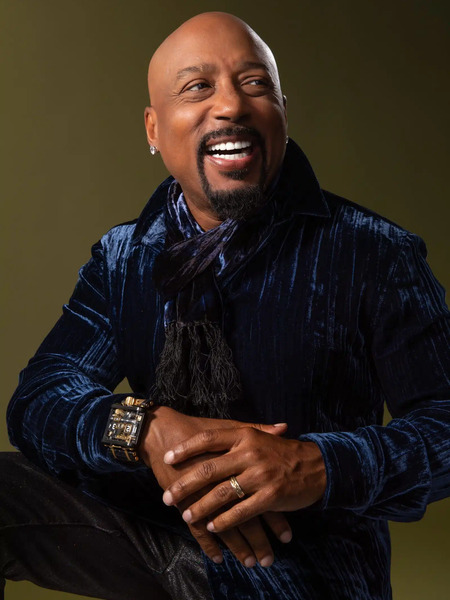
Daymond John
Founder/CEO of FUBU, Presidential Ambassador for Global Entrepreneurship, Star of ABC's Shark Tank and CEO of The Shark Group

Candy Valentino
Founder, investor, WSJ Best-Selling Author and Serial Entrepreneur
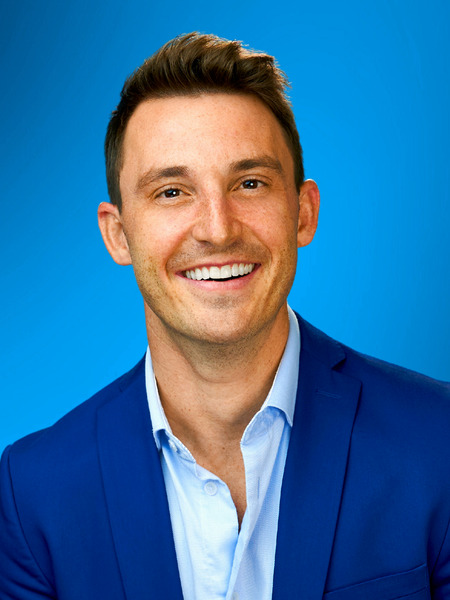
Alex Weber
Be Unstoppable! with Leadership & Performance Expert, American Ninja Warrior, & Acclaimed Author
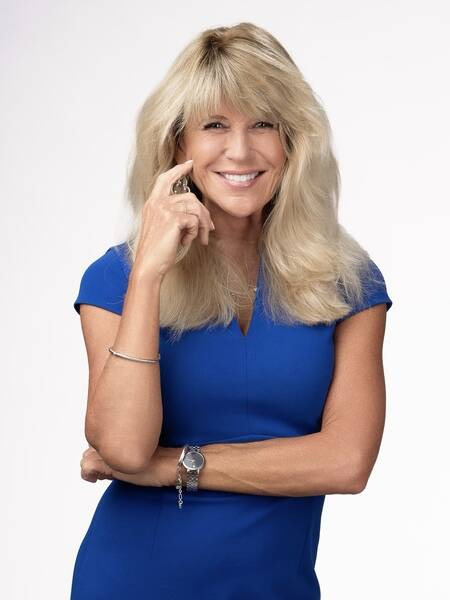
Kim Bearden
Best Selling Author, Co-founder at Ron Clark Academy, and National Teacher Hall of Fame; Organization Culture / Climate and Communication Specialist

Ron Clark
"America's Educator", NYTimes Best Selling Author, Disney's American Teacher of the Year, and Founder of the Ron Clark Academy

Jon Acuff
One of INC's Top 100 Leadership Speakers, New York Times Bestselling Author of Soundtracks, Finish and Do Over