I have participated in a lot of workshops, but Teamwork of Art is absolutely the best! The activity, the concepts taught, and the excitement driven into each one of my team members was astounding!


Nathan Jamail
Keynote Speaker on Leadership, a Powerful Selling Mindset, and Building Winning Teams
Profile Links
Fee Range
$35,000Travels From
Austin, TX, US
Nathan Jamail
Biography
Nathan Jamail is a record-setting performer, CEO, Adjunct Professor in the MBA program at SMU’s Cox School of Business—where he has earned over 18 Teacher Excellence Awards - and bestselling author of multiple leadership and sales books- though he’ll tell you he’s not a writer—he’s a business leader who writes for leaders.
During his tenure as an Executive Director at a Fortune 100 company, Nathan built and led seven #1 producing teams across five states and Puerto Rico. He has also built, scaled, and sold multiple small businesses. That real-world performance—at both the corporate and entrepreneurial level—drives everything he teaches today.
For more than two decades, Nathan has coached and developed leaders on three continents and thousands worldwide. His coaching principles have become the leadership backbone for hundreds of organizations across manufacturing, finance, technology, communications, hospitality, and beyond.
In a business climate shaped by AI acceleration, economic uncertainty, and constant disruption, Nathan brings clarity and execution. He teaches leaders how to leverage technology without losing their edge, build accountability without sacrificing culture, and create teams that win because of discipline, ownership, and trust.
AI can automate. It can analyze. It can accelerate.
But it cannot replace real leadership.
Nathan shows organizations how to amplify human ingenuity —building connection, resilience, and IMPACT that technology simply cannot replicate.
Nathan Jamail
Featured Videos
Current: Leadership Keynote Preview
Time 02:44
More Videos From Nathan Jamail
Nathan Jamail
Featured Keynote Programs
Build to Win
The Mindset and Practices That Deliver Exceptional Results
It’s not the market that determines whether your organization succeeds. It’s the mindset and practices of your leaders and teams.
The organizations that outperform the competition aren’t more talented. They’re more disciplined, more practiced, and more aligned. They refuse to set “realistic” goals that shortchange their people and their potential. They don’t just see winning as an outcome—they see it as a mindset, one that shifts what they expect and what excuses they’re willing to accept.
In this culture-changing keynote, Nathan shows leaders how to foster a mindset where winning becomes expected and coaches their employees to higher levels of commitment, discipline, and performance. Leaders leave prepared to choose logical over realistic goals and equipped to build teams that believe in what they do, commit to the process, and practice the behaviors that drive exceptional results.
From Avoidance To Accountability
How Leaders Create Ownership, Raise Expectations, and Strengthen Performance
Today’s workforce desperately needs leaders who know how to set expectations and hold their team accountable. That’s where Nathan comes in.
Accountability is crucial to an organization’s success, yet many leaders struggle to maintain a high standard. They hesitate to challenge underperformance, tolerate excuses, and leave their teams floundering—unsure what’s expected and how to perform at their best.
In this keynote, Nathan shows leaders why accountability creates ownership, making it one of the most important things they can do for their people. Leaders learn how to hold others accountable without damaging relationships, create clear expectations, reinforce standards, and build a framework for elevating performance without fear or confusion.
Practice Makes Profit
Prepare for the Small Moments That Drive Big Growth
Every client interaction matters. So how do you make sure each sales conversation connects with your client? Practice.
Selling isn’t an innate ability—it’s a skill that needs to be developed. Yet many sales professionals and teams spend most of their time on process and product knowledge, with little time spent practicing the skills that actually drive performance.
In this high-impact, interactive keynote, Nathan challenges audiences to treat sales like the performance activity it is, even when it feels awkward. Through practical tools and real-time scrimmaging, teams learn how to elevate their skills, build confidence, and prepare for the small moments that determine the big outcomes.
Clarity Creates Trust
Why Your Team Deserves Clear Expectations and Hard Conversations
Trust is a competitive advantage. But leaders can’t demand trust or assume it will happen—they have to earn it. And that starts with clarity.
As expectations rise and information moves faster, leaders need their employees to trust them more than ever. Yet too often, leaders avoid difficult conversations, soften expectations, or allow unclear communication to create fear and confusion.
In this keynote, Nathan challenges leaders to stop confusing trust with silence and start creating clarity through proactive communication, courageous conversations, and clear expectations. Leaders learn practical tools for addressing difficult conversations, removing fear from engagement, and building a culture where trust strengthens performance.
Nathan Jamail
Featured Books

Serve Up, Coach Down: Mastering the Middle and Both Sides of Leadership
by Nathan Jamail
Shows leaders in the middle just how powerful they are without pretending that leading employees and reporting to bosses don't require different skills. It fills the gap between the books those leaders read and the information they actually need and answers the big questions that constantly confound leaders and their companies:
- Why do leaders who care about their teams still struggle to gain their boss's approval?
- Why do those same leaders who feel they serve their teams have so much difficulty getting teams to step it up and go beyond the basic requirements of their jobs?
- Why do leaders have issues getting other divisions in the organization to do more, so that their teams don't have to do more than their share?
The answer: Leaders in the middle too often serve down to their people and defend up to their bosses, instead of serving up to their bosses and coaching down to their employees.
This is why so many companies struggle to innovate and get stuck--leaving everyone frustrated and looking for answers. Serve Up, Coach Down changes all that. Great leaders don't feed their people fish; they coach them on how to fish for themselves and then beat the competition by catching more fish. Those people in return serve their leaders and the people those leaders report to by delivering maximum performance for the organization. Achieving that performance, however, requires leaders in the middle to focus, have confidence, and commit to changing their mindsets.

The Sales Leaders Playbook by Jamail, Nathan
by Nathan Jamail
Success in sales takes talent, skills, discipline, practice, and most importantly, honesty with a genuine concern for the client. Most sales leaders know what to do; they just do not know how to make it real for their organization. This barrier keeps them mediocre at best. Experienced sales professional and entrepreneur, Nathan Jamail has developed a playbook of techniques and best practices, which have allowed hundreds of sales teams to find success in their selling. From creating an organizational belief system to taking the bullet for those you lead, The Sales Leaders Playbook focuses on how to build a winning team. Nothing in this book is theory; it is based on personal experiences learned throughout Nathan Jamail’s extensive sales career. The Sales Leaders Playbook is a book written for sales leader by a sales leader, designed to be straightforward, easy to read, and simple to understand. The ability to execute the skills and programs outlined requires effort. It takes a sales leader who is willing to hold a team accountable and more importantly, hold themselves accountable. Mastering these sales leadership skills will increase team morale, improve skills and abilities, improve communication, and increase sales and profits

The Leadership Playbook: Creating a Coaching Culture to Build Winning Business Teams
by Nathan Jamail
The successful self-published author of The Sales Leaders Playbook writes his first mainstream leadership book
There are enormous differences between managing and coaching. Yet many companies and organizations encourage their leaders to coach teams without ever teaching them how and without creating a culture that supports coaching.
Nathan Jamail—a leading consultant, professional speaker, and the president of his own group of businesses—trains coaches at several Fortune 500 companies and learned that it takes not only different skills to achieve success, but a truly effective coach needs an organizational culture that creates and multiplies the success of every motivated team member. The Leadership Playbook shows leaders the skills necessary to be an effective coach and to build effective teams by:
- Fostering employees’ belief in the culture of a company
- Resolving issues proactively rather than reactively and creating an involvement that constantly pushes employees to be their best
- Focusing on the more humane principles of leadership—gratitude, positivity, and recognition—that keep morale high
- Holding teams and individuals accountable
- Constantly recruiting talent ("building the bench") rather than filling positions only when they are empty
Combining research, interviews, and inspiring stories with the lessons that have earned Jamail the respect of the world’s foremost corporations including CISCO, FedEx, Sprint, the U.S. Army, and State Farm; The Leadership Playbook will dominate the category for years to come.
Nathan Jamail
Featured Reviews
Frequently Asked Questions
Quick answers to some of the most common questions about booking Nathan Jamail for your event.
How do I book Nathan Jamail for my event?
Booking Nathan Jamail with Premiere Speakers Bureau is a streamlined 4-step process:
- Availability Check: Contact us with your event date and budget to verify if your desired speaker is available.
- Hold Date: We place a temporary "hold" on the speaker's calendar while you finalize internal approval.
- Contracting: We issue a contract outlining the fee, cancellation policy, and event expectations.
- Logistics: Once signed, our event management team handles all travel booking, itinerary, and AV requirements.
Why should I partner with Premiere Speakers Bureau rather than contacting speakers directly?
Partnering with Premiere Speakers Bureau provides a comprehensive safety net for your event that direct booking cannot match. You get the same speaker for the same price, but with a dedicated team with over 30 years of event experience handling contracts, logistics, and are prepared for any emergency. We know what it takes to run an excellent event.
What makes Premiere Speakers Bureau unique compared to other agencies?
Premiere Speakers Bureau distinguishes itself by having over 30 years of experience while partnering with more than 35,000 events. PSB has also built a streamlined, fully online process that makes booking a speaker, handling travel and payments extremely easy for anyone looking to plan a speaker led event.
How does Premiere Speakers Bureau's 'Zero Cost Service' model work?
Premiere Speakers Bureau operates on a 'Zero Cost Service' model for event planners. Our services—including research, booking, and logistics—are always free to the client. The speaker covers our commission from their standard honorarium as payment for our role in marketing and managing their engagements.
How are speaker fees structured, and what is typically included?
A speaker's fee typically covers the keynote presentation, a pre-event planning call, and standard customization. Travel expenses are usually billed separately.
What are the standard policies for speaker travel and expenses?
Travel expenses are negotiated during contracting. We generally recommend a flat travel fee for simplicity, though we also offer line-by-line invoicing when preferred. PSB ensures these expenses adhere to professional standards, and our Event Portal allows for easy tracking and invoicing.
Nathan Jamail's Featured & Related Topics
Find Similar Speakers Leadership








Popular Speakers

Dr. Ben Carson
Former US Secretary of Housing and Urban Development / Conservative Political Thought Leader / Renowned Pediatric Neurosurgeon

Liz Bohannon
Top 1% VC-Backed Female Founder & CEO and Bestselling Author of Beginner’s Pluck: Build Your Life of Purpose & Impact Now

Jon Acuff
One of INC's Top 100 Leadership Speakers, New York Times Bestselling Author of Soundtracks, Finish and Do Over
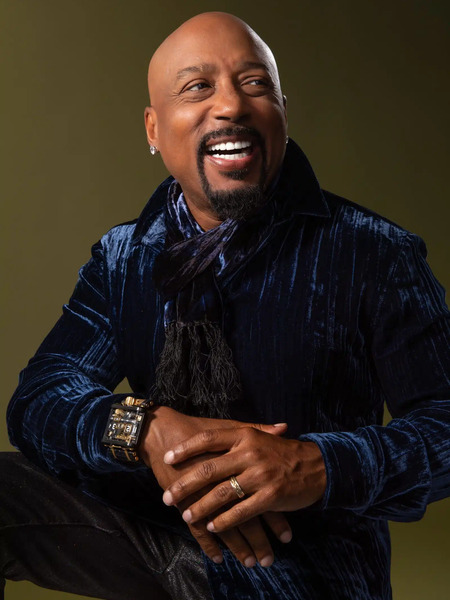
Daymond John
Founder/CEO of FUBU, Presidential Ambassador for Global Entrepreneurship, Star of ABC's Shark Tank and CEO of The Shark Group

Alex Weber
Be Unstoppable! with Leadership & Performance Expert, American Ninja Warrior, & Acclaimed Author

Dr. Jessica Kriegel
CEO Advisor and Doctor of Leadership, Best-selling Author

Earvin “Magic” Johnson
Five-Time NBA Champion, Entrepreneur

Kim Bearden
Best Selling Author, Co-founder at Ron Clark Academy, and National Teacher Hall of Fame; Organization Culture / Climate and Communication Specialist