Transcript for Scott "Kidd" Poteet Interview on the Beyond Speaking Podcast
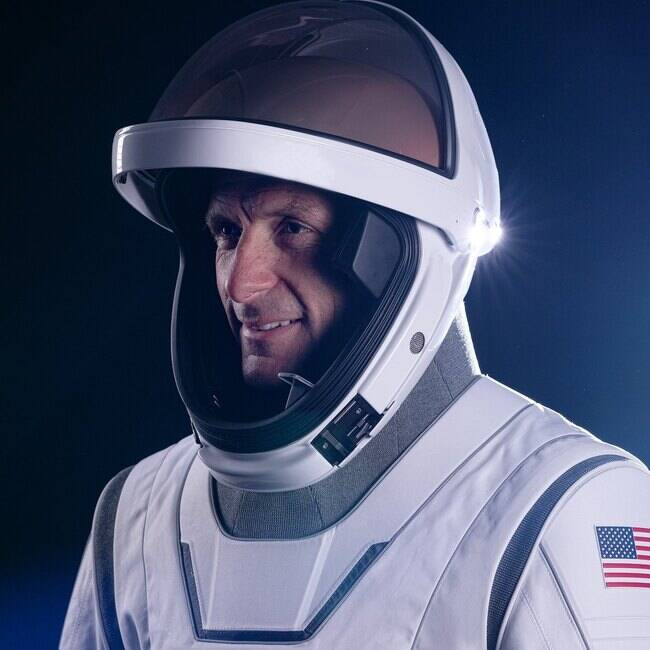
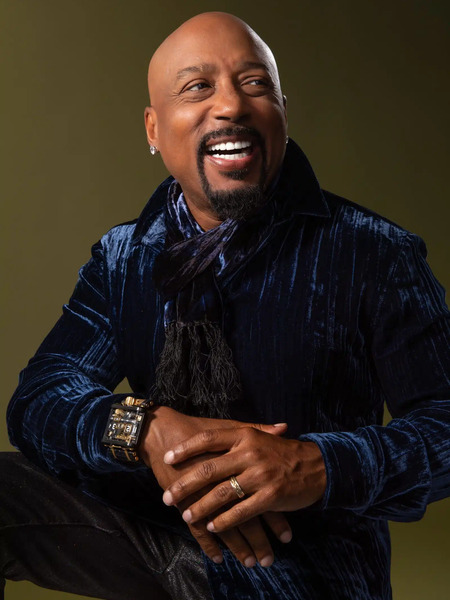
Please enjoy this transcript of Brian Lord’s Beyond Speaking Podcast Interview with Scott "Kidd" Poteet, Pilot of the Polaris Dawn Mission---astronaut for the first civillian spacewalk, Air Force fighter pilot, and 16-time Iron Man.
Podcast Episode · Beyond Speaking · Jan 21, 2025 · 27m
Kidd: The ride up and the ride down in a rocket—I've never experienced anything like that. It's extremely intense. From the moment you're sitting on the pad strapped to a rocket that produces 1.7 million pounds of thrust. And within a couple minutes, you're accelerating up to 17,500 miles an hour. The G force is a little bit different axis than a fighter jet, it's through the chest versus head-to-toe sensation. So it's just like somebody sitting on your chest for a solid good six to nine minutes.
Intro: Welcome to the Beyond Speaking Podcast from Premiere Speakers Bureau, featuring in-depth conversations with the world's most in-demand keynote speakers.
Brian: Hi, I'm Brian Lord. Welcome to the Beyond Speaking Podcast. I'm present here at Premiere Speakers Bureau and excited to have Scott Kid Poteet, who has done a lot of amazing things. Former combat pilot, Thunderbird pilot in the Air Force, and has a lot of business background as well. Was the director of business development at Drakken Industries, VP of Strategy at Shift 4. So has a lot of corporate background as well. Also 15-time Iron Man race and was at the Ironman Championships four times. He has raised and was part of the group that raised something like 240 million for St. Jude Children's Hospital. So a lot of amazing things. He talks about leadership, humility, goal setting, a lot of those things we'll get into. Probably the most well-known thing recently is in collaboration with SpaceX, the Polaris Dawn mission, you know, the first all-civillian spacewalk, which is just amazing. So, Scott Kidd, thank you for coming on and being part of the Beyond Speaking podcast here.
Kidd: Absolutely. I'm excited to be here, so appreciate the invite.
Brian: Yeah, it's very cool to be sitting here with you. Not too often you get to talk, you know, to somebody who's you know flown a spaceship before. Very cool. So can you walk us through kind of you know the Polaris Dawn mission? You know, what was that like? What were the challenges? And you know, kind of what was the buildup to it as well.
Kidd: Yeah, so the Polaris program is a collaboration with SpaceX and it's the culmination of up to three missions. And the idea is that we're identifying challenges associated with SpaceX making the transition from their current rocket, the Falcon nine with the dragon capsule, to the next generation, which is Starship. And that's the vehicle that's gonna take, you know, humans back to the lunar surface and eventually Mars and beyond.
And so if you look at our program Polaris, it's very analogous to what NASA did with Gemini. So you have an initial spaceflight with Mercury, just trying to prove that we can get to space. Low Earth orbit, single astronaut, short missions. And then if you take a leap to the Apollo program, we went to the moon. So in between there, there was Gemini, and the idea was what are the challenges associated with making this leap to go to the moon? They had to figure out how to dock in space, how to do a spacewalk, multi-crew longer duration. So, in a similar fashion, trying to leverage all the wonderful things that NASA has done for human spaceflight and space exploration. And so we designed this Polaris program where what are the challenges for SpaceX to make this transition so we can get back to the moon and eventually Mars. And so, based on our conversations with SpaceX, we identified four main objectives for our first mission which I can talk about, but the second mission is a couple years out. We're gonna leverage what we learned from this first mission back in September. And then the third mission will be the first human flight of Starship in the coming years.
The Polaris Dawn, which was the first mission, we had four objectives. One being to do the first commercial spacewalk. The second objective was to set a new altitude record for Earth orbit, so we went higher than anyone's been in 50 years since Apollo 17. We wanted to test Starlink, laser-based communication from space for the very first time. And that's critical because when we talk about longer durations, we need to improve our ability to communicate. And so laser communication with Starlink is gonna satisfy that. And then the fourth objective was to occupy our five days of doing science and research experiments. So we identified 40 experiments with nonprofits, hospitals, local universities, to identify what are the human factors for challenges with these longer missions when we talk about staying up there for longer durations. So we were able to accomplish forty of those science and research experiments.
Brian: Wow, that's amazing. What was kind of the highlight for you of the mission?
Kidd: There were so many highlights. You know, coming from a fighter background, flying fighters for 20 years, I do have, you know, I do enjoy the adrenaline, pulling the G-forces. So the ride up and the ride down in a rocket—I've never experienced anything like that. It was extremely intense.
From the moment you're sitting on the pad strapped to a rocket that produces 1.7 million pounds of thrust. And within a couple minutes, you're accelerating up to 17,500 miles an hour. the G forces, a little bit different axis than a fighter jet. It's through the chest versus head-to-toe sensation. So it's just like somebody sitting on your chest for a solid good six to nine minutes. And you go through these transitions as you separate from the boosters from positive G to negative G floating till eventually you get to orbit, and now you're floating. And you have to adapt to that new environment of zero G at, you know, initially our altitude was 1200 kilometers, then we worked our way up to to set that altitude of 1400 kilometers.
So I think that experience, and then on the way home again, you experience G forces where your body has adapted to the space environment. Now you're not used to pulling Gs. And as soon as those G onsets happen, it's like, very, very intense. and now going 175, you got to slow down and put the capsule in the ocean. and so to slow down, you more or less engulf into a plasma fireball. It's 2600 degrees Fahrenheit, and you hit in the atmosphere trying to slow down.
So it was just a very, very intense experience on the way up and the way down, but it was more surreal once you're on orbit and have those views of Earth for the very first time. It was absolutely mesmerizing to see Earth from those altitudes.
And we got to see it from different perspectives because our orbit was highly elliptical, meaning we had a very far apogee, 1400 kilometers, and we had a pretty close perigee about 290 kilometers. So you're more skimming the atmosphere on the backside, but those higher altitudes would give you a perspective, a lot more of a sphere. You see continents and bodies of water, but you can't make out details like you can on the perigee on the lower side. So those views I could talk about them all day. The radiant light, the nighttime, the sunsets every 90 minutes. It was just an intense five days that you know, I feel very blessed. There's only about six hundred and twenty astronauts to have gone to space. So having this opportunity to experience that and see our planet, knowing that there's eight billion people down there on the planet, and we're traveling that fast, going around the earth, experiencing that it was quite intense.
Brian: That's amazing. So I'm curious to know the difference. You were a Thunderbird pilot. I know I posted, hey, I was gonna interview you and Nicole Malakowski's like, he is amazing, Kidd is amazing. So she's another speaker we work with. But what's the difference in preparation to be a Thunderbird pilot versus somebody who is doing space?
Kidd: Yeah. well Nicole, she's phenomenal. She taught me everything I needed to know to be a Thunderbird pilot, which was an amazing experience. And now she's mentoring me on this you know, the speaking aspect of the career. So I truly appreciate her friendship and mentorship. and she was a wonderful instructor back in the Thunderbird days.
You know, flying a fighter jet's it's a lot different physically and intellectually. There's a lot more physical demand when you're flying a fighter jet. you know, you it's a lot more hand-eye coordination. I would say that the threat is a little more real when you're flying low altitude and pulling G-forces and that fast, and that close proximity to other aircraft, especially when we talk about the formations that we fly in the Thunderbirds. so it was more of a physical demand flying those aircraft. combat, a little bit different. You're not flying that close. But now you have threats shooting at you and you got to mitigate those risks associated with combat.
Flying a spaceship's a lot different. That's more of a team effort. A lot of it is automated thanks to the brilliant men and women of SpaceX, 11,000 employees, you know, and they're half my age. and they're doing a lot of the control. You know, we're trained to manually operate the capsule. And there's certain contingencies where you have to be skilled to do that. But it's more of this holistic execution of the mission. Because you know with those intense portions of the mission that I talked about, the launch and the deorbit, you're along for the ride on those portions. And then it's more of like a sensor operator, if you will, constantly monitoring the systems of the spacecraft. but you have other roles and responsibilities that you need to attend to. A lot of that was just the science and research that we had focused on.
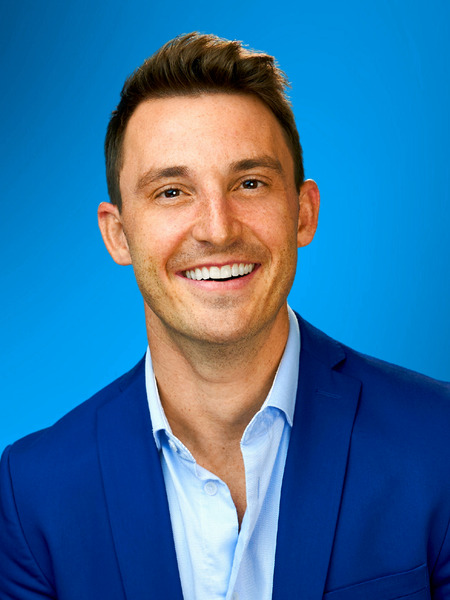
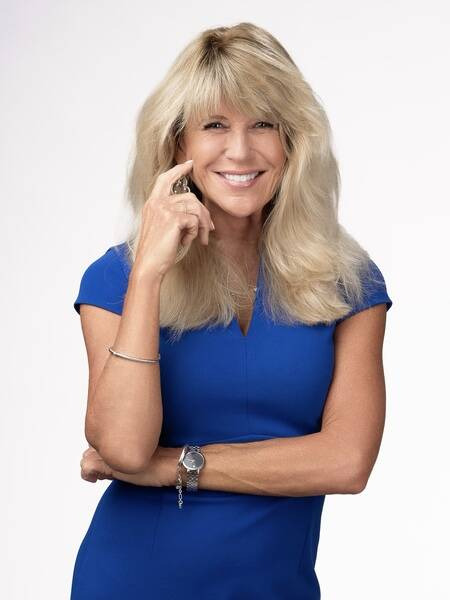
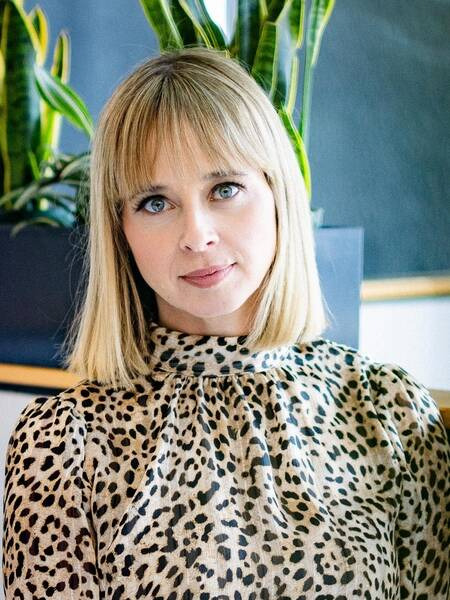
So quite a few differences. There are some consistencies and parallels between the two of being a pilot in the military and working with SpaceX and part of being a part of this Polaris crew. And that's kind of where I was able to utilize some of the gifts that I have and contribute. Because if you look at my crew, you got Jared Isaacman, a proven astronaut and extremely intelligent individual. And then you have Sarah Gillis and Anna Menon. Very, very competent and intelligent engineers that work at SpaceX. Sarah is a lead trainer. So she actually taught Jared how to be an astronaut before he actually went up in space with Inspiration Four. And then Anna Menon, she had the background at NASA as well as SpaceX, and she is ultimately responsible for writing a lot of the nominal procedures as well as the contingency checklist procedures. So I was outnumbered, you know, and then you got Kidd, you know, so they were kind of shepherding me over the last couple of years to get prepared for this mission.
But it was about team cohesion and working together and each of us fulfilling the roles and responsibilities to ensure a successful mission because there's just no room for error. You know, we had to go into this developmental mission with a mindset of 100% success. Otherwise we'd ultimately, you know, set back our quest to, you know, push the needle and continue space exploration.
Brian: What's the difference in leadership when you're talking with a military group versus a civilian group?
Kidd: Yeah, so I've been very blessed to have a little bit of experience in the civilian side and then more so in the military side and there are some definite differences. You know, in the military you got your very structured chain of command and there's a reason why that's in place that way and the requirement for service before self, and ensuring you have that type of structure in place for mission success.
Whereas my most recent experience being involved with this collaboration with SpaceX, it's they're it's it's really impressive. in the fact that they have this enormous organization and its vision has been established by Elon. And everyone has buy-in. Doesn't matter if you're the barista working the coffee shop in, which is right actually inside of, you know, the headquarters next to mission control, which is pretty cool, or you're one of the the mission directors or the cores that are sitting on console controlling these the capsules or the capsule that's orbiting the earth then you all have buy-in on on everyone. And everyone is committed to that sole purpose of eventually colonizing Mars. and Everyone's passionate about it. And it's a very flat structure.
And there's a lot of empowerment. That's one of the first observations that I was able to witness was this empowerment and the level of delegation is just not something you would typically see in the military. And I've had some wonderful conversations with a mentor of mine, I call him General O'Shaughnessy, Shags O'Shaughnessy. He is a retired four-star general in charge of PACAF as well as NORAD Northcom. But he works at SpaceX and so he's obviously seen both sides as well at the highest levels in the military, and now he works for SpaceX. And we've reflected upon the differences between the different organizations and we're drinking the Kool-Aid. We truly believe in what SpaceX is doing. It's extremely successful. And it's you know, they got this fail early and fail fast type mentality of testing. You look at Starship, they're not afraid to blow up a couple rockets in the testing process and the developmental phase of these programs because they learn so much. And it's you know, you go down to Starbase where they're manufacturing these starships. They're stacked up, ready to go. You know, it's government holding them back, the EPAFA, to launch these vehicles because everyone is so committed with this vision in mind that keeps everyone focused on the task at hand.
Brian: That's amazing. Kind of taking some of these cool stories, because this is amazing stuff to hear and putting into sort of practical things, you talk about setting realistic goals, authentic goals. What's the best way if somebody's coming out of this, hearing your talk, what do you share with them about how to set realistic goals?
Kidd: You know, what I've learned over the years, even from my childhood through high school, through college, I always talk about how I was a very unlikely astronaut. I do not have a traditional background. Even being a fighter pilot, I am prone to motion sickness. I'm still scared of heights, and I had terrible grades growing up in grade school and even in college.
So I had to figure out, okay, where are my strengths and weaknesses? Where can I leverage those gifts that I have, embrace those talents and passions and perspectives, and forge my own path. Figure out a way that works for Kidd. I learned this early on in high school, it was my focus and passion was sports. All my energy and effort went into the pitch and the athletic fields. And eventually I realized, you know, the grades aren't cutting it. And I just could not prioritize academics. And I was this competitive mentality that I had on the field was impacting my ability to get good grades. But once I realized, okay, I want to make it to the next level, I had to figure out a path.
So for me it was sports, and I focused on sports that got me to college. Once I got to college, I'm like, okay, I want to be a fighter pilot based on a serendipitous event I had with the ROTC program. and now my new goal is okay, I want to be a fighter pilot. How do I be a fighter pilot? Well, I gotta set a goal of graduating and earning a degree. How do I do that? So I got involved in this academic program called outdoor education. It's kind of like experiential learning. So you're taught a skill set, you go out in the field immediately and you practice that skill, and you come back and talk about it versus your traditional education where you're in a lecture hall, you're, you know, spewing information and now you gotta regurgitate. I just can't handle that type of environment. So this outdoor education was working with and resonated with me.
So more or less that was my path to okay, I can graduate, get commissioned, go in the Air Force. And it just continued to snowball because what I was doing is here are my skills, here are my weaknesses. I can't ignore those. How can I leverage those gifts to my advantage to forge a path that works for me?
And so, you know, if there's any advice I can provide is just first you need to recognize what are those gifts, what are those talents that you have. And then secondly, how can you you know, embrace those gifts to to figure out a path that works for you based on a passion and an authentic goal that you want to achieve, not what societal norms are telling you to do, because we've we fall prey to, you know, just doing what society wants us to do, not truly following the passions that we have. And I remember reading an article and I talk about, you know, what is your typical or what is your desired career path. And this article is talking about when you're eight years old, you usually identify what you're passionate about.
But we get stuck in these ruts along our journey through life that we end up in career fields that we just thought we were supposed to do. And then you have a midlife crisis and you figure out where you actually want to end up. So you know, if anything, it's about finding and identifying those passions early on and using the gifts that you have to figure out what those authentic goals should be.
Brian: I like how you did the extreme version of outdoor education. So you're like, okay, we're gonna talk about it here. We're gonna go out and do it in the field, and then we're gonna come back and talk about it. And then you like to learn about going up to space. You go out to space. You're like going out to the wilderness is not enough for me. I have to leave the planet. And now you're coming back to talk about it.
Kidd: Yeah, well actually that you know there was a lot of, I thought it was just okay, this is my way to get through college. I'm gonna do scuba diving, rock climbing, winter mountaineering, whitewater rafting, and Nordic skiing. Those were my classes in college. I didn't sit in a lecture hall. And I'm like, this is not really applicable to being a fighter pilot. But fast forward 25 years when I had this opportunity to go to space, which is a whole nother story. To train for space, we actually climbed Codopoxy, a volcano down in South America. We flew fighter jets, we were scuba diving, we were mountain climbing. All these things were applicable. People ask, why? How is that applicable to space?
There is actually a direct correlation to training in an environment that is slightly higher risk levels. You know, it's about getting comfortable in uncomfortable scenarios. And that's exactly what we were doing by climbing a mountain. You know, people ask me, what was life like on orbit? It's very similar to being on the side of a mountain, you know, you're dehydrated, you're not sleeping that great because of the whole pressure changes. You're in close proximity. So you're in a tent on the side of a mountain, you're in a capsule with your three other crew members trying to deal with, you know, everyone's strengths and weaknesses.
So there's a lot of correlation from what I learned in outdoor education and training for space. So if there was any contribution I did in training for space in the last three years, it was kind of in those environments, whereas I was more reliant upon, you know, the the brilliance of Sarah, Anna, and Jared in the capsule training in the simulator to get me all spun up on the procedures. So there was definitely a good balance that we had in chemistry amongst the crew.
Brian: I mean that's one of other things you talk about is that communication. So you're like communicating with humility. So you're in this close proximity with a lot of people or with this small group of people. How do you communicate well in that situation?
Kidd: Trust. I definitely trust. And that's what we spent the last two and after three years, you know, doing in the training environments is building that trust between each other. and relying upon your strengths and weaknesses. And having that humility, you know, it's not necessarily thinking less of yourself, but more about thinking of yourself less, to quote C. S. Lewis. So you had to be in those environments, you know, if I thought there was a solution for a certain problem on orbit, but it wasn't my role or responsibility, it's about just listening more than you speak and speak up, you know it's advice I give my kids all the time. You got two ears and one mouth. You should be listening twice as much as you speak.
So it's just knowing when to speak up and having that humility to truly listen and understand. You know, in that case, the expert in the capsule for, you know, X scenario and how we're gonna deal with those circumstances. Because what's unique about being on an orbit, and this is why some of that training was important, is there's no control out to lead. There's no reset. You have to deal with the circumstances, physically, emotionally, spiritually, intellectually, that you're dealt with because you can't just get back on Earth.
And the first time we experienced that was as soon as we got on orbit. Because physically, all these things happen to your body: space adaptation syndrome, space motion sickness, spaceflight associated neuroocular syndrome, brain lift, space fog, all these things are happening to your body, and you have to figure out how to deal with them. And there's no like, you know, what happens is the fluid shifts in your body. So you get this like heaviness, almost like you're hanging upside down from your bed, this blood rush in your cranium. And you know, if you don't like that or a roller coaster, you get off and you just absorb it for a few minutes and get your wits back. You can't do that in space. You have to deal with it. Okay. So that's truly challenging and that requires that humility, you know, on the individual level with yourself and knowing your limits. And the humility of relying upon your crew to help you along when you are struggling.
Brian: Yeah, that's amazing. Those times where you have to deal with it. Like that's something that so many people want to run and training yourself not to run from something that's difficult, especially when you can't run from it. But doing that, speaking of which, to kind of close with this, you're one of those unique people where like the most boring thing is that you've done 15 Iron Man races and four times the world championship. It sounds like you're going to a fifth world championship this year. How has being an Iron Man triathlete helped you be better as a pilot and as an astronaut.
Kidd: First off, the first thing I can think of is just the physicality of going to space. It's not easy on the body. Just all those things I listed off are impacts to the human body, and you have to be able to manage those stressors. And being physically fit is truly important. All of us were fit, you know, runners and doing strength training. Because you don't use those muscles, ligaments, tendons, and bones in space. It's very meditative. You know, you're just hovering, you're floating. And to get around, it's just a simple push. And you know, typically if you push too much, which is common in the very beginning, you're bouncing off the capsule trying to figure out how to control yourself. And it's just the less energy you exert, the better.
Obviously that doesn't help when you're trying to stay fit for long durations and that's probably why we focused a lot of the science and research on those things because you're not using the body. And when they go to the space station for six months, it's about they get two to three hours of dedicated time to work out. So, you know, training for those Ironmans and it helps physically and mentally for me. It's if I don't do the, you know, hour to three hours a day of aerobic endurance training, it's just it gets to me mentally.
So that was truly important. And it goes way back to being a kid and harnessing that competitive mentality that I had to try to, you know, develop it in a positive manner, and adapt and use it to my advantage. And so it's just been a part of me from the very beginning as a runner, as a young kid, and that's what got me to college. And I was a lifeguard on Cape Cod. So it all kind of just developed into let's do triathlons and it's now it's just I just love it. It's just part of me. I took a short hiatus, but now I'm back after the space mission and I'm looking forward to my next two races in 2025.
Brian: That's awesome. Great. Well, Scott, thank you so much for coming on and being a part of this. For everyone who's watching, you can go to premierespeakers.com and look out, look up Scott Kid Poteet P-O-T-E-E-T. And also make sure to subscribe, rate, and review this podcast if you're watching, listening. So Scott, thank you again for joining us on the Beyond Speaking Podcast.
Kidd: Absolutely. Thank you.
Outro: Thank you for joining us for the Beyond Speaking podcast. To learn more about today's guests, visit PremiereSpeakers.com. Make sure to subscribe and leave a review wherever you listen.