Deploying David's system at Citi was a game changer. His powerful and compelling case for change hit home. Our leaders stepped into the urgent need to learn new skills and new ways of working.

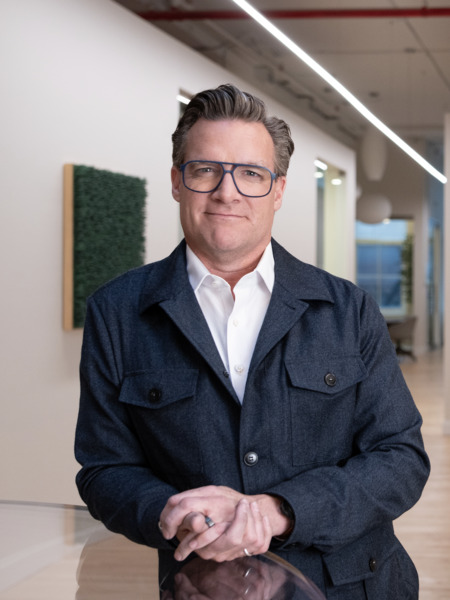
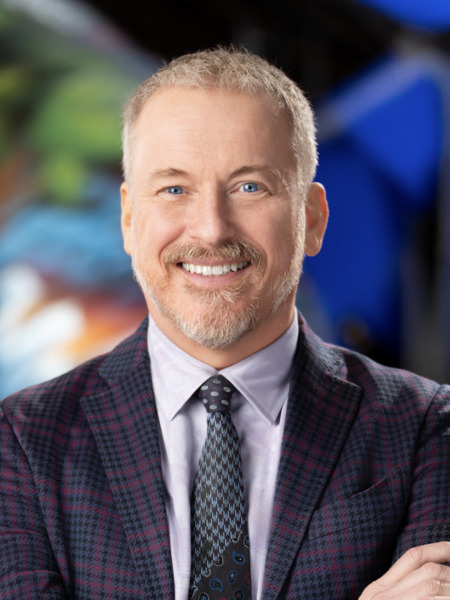
David Kidder
4x Exited Founder. 2x NYT Bestselling Author. Helping Fortune 500 Leaders Grow, Decide, and Win.
Profile Links
Fee Range
$18,500
David Kidder
Biography
David S. Kidder is a four-time exited founder, two-time New York Times bestselling author, and TED speaker who has spent two decades helping the world's largest organizations grow, decide, and lead through change.
David built an operating system for corporate innovation that gave leadership teams at Nike, Procter & Gamble, Citi, GE, and more than forty other Fortune 500 organizations a repeatable process for identifying new growth opportunities, testing whether they were real, and building them out without betting the whole company. That business was acquired by Accenture Song in one of their most successful acquisitions in history, generating more than $10 billion in new revenue growth for partners.
Today David is channeling that same conviction into two new ventures. PreMortem is a commercial decision system that tells leaders whether their most consequential initiatives are actually on course before capital and credibility are locked in. Apogee transforms how leadership teams collaborate, decide, and perform under pressure by combining behavioral science with AI. Both companies are active and growing, which means everything David speaks about he is currently living.
His books, including The Startup Playbook, New to Big, and The Intellectual Devotional Series, have sold more than one million copies across 18 languages. His work has been recognized by Adam Grant, the late Clay Christensen, and Marc Andreessen.
David Kidder
Featured Video
Current: Ignite Resilient Growth
Time 02:58
David Kidder
Featured Keynote Programs
Winning in the Age of AI
How leaders make better decisions and build stronger teams while AI reshapes their industry
Most organizations know AI is changing everything but are not sure what to actually do about it. Leaders are being asked to move faster, adopt new tools, and keep their teams performing, all at the same time, without a clear playbook for how to do it.
David is one of the only speakers on this topic who is actively building AI companies right now, not studying them. He gives leaders a clear and practical framework for where AI creates real advantage in their organization, how to lead their teams through the shift without losing the human judgment that drives results, and what to do first.
Leaders leave with a concrete understanding of what AI means for how they lead, decide, and grow, and a clear first move for getting ahead of it.
This talk is right for your organization if: your organization is navigating AI adoption and your leaders need a practical framework for moving forward, not just a high-level overview of what is coming.
Leadership Performance
How leadership teams build the trust, honesty, and accountability that high performance actually requires
Most leadership development focuses on the individual. Get better at communication. Work on your executive presence. But individual improvement does not change how a team operates together, and it is how the team operates together that determines whether the organization can perform at the level the moment demands.
David gives leadership teams a practical way to change that dynamic. Instead of abstract goals, leaders make specific commitments to each other that the whole team can see and hold each other to. Trust gets built not through exercises but through follow-through.
Leaders leave with a concrete practice they can start using immediately, one that gets stronger over time and that their organization can run on its own within 90 days.
This talk is right for your organization if: your leadership team is performing well individually but not yet as a unit, or you are heading into a period of significant change and need your leaders genuinely aligned and accountable to each other.
Ignite New Growth
How established organizations find and build their next engine of revenue
At some point every successful organization faces the same problem. The core business is doing well but the next chapter is unclear. The natural instinct is to double down on what already works. That instinct is what causes most companies to fall behind.
David has spent two decades helping Fortune 500 leadership teams break that pattern. He gives leaders a proven process for looking outside their existing business to find the customer problems that actually create new opportunity, and for building toward them without disrupting what is already working.
Leaders leave with a shared way of thinking about where their next growth comes from and a clear first step for going after it.
This talk is right for your organization if: your organization is strong today but your leadership team is asking what comes next, or you are heading into a strategic planning cycle and need a fresh framework for identifying where real growth lives.
David Kidder
Featured Reviews
Frequently Asked Questions
Quick answers to some of the most common questions about booking David Kidder for your event.
How do I book David Kidder for my event?
Booking David Kidder with Premiere Speakers Bureau is a streamlined 4-step process:
- Availability Check: Contact us with your event date and budget to verify if your desired speaker is available.
- Hold Date: We place a temporary "hold" on the speaker's calendar while you finalize internal approval.
- Contracting: We issue a contract outlining the fee, cancellation policy, and event expectations.
- Logistics: Once signed, our event management team handles all travel booking, itinerary, and AV requirements.
Why should I partner with Premiere Speakers Bureau rather than contacting speakers directly?
Partnering with Premiere Speakers Bureau provides a comprehensive safety net for your event that direct booking cannot match. You get the same speaker for the same price, but with a dedicated team with over 30 years of event experience handling contracts, logistics, and are prepared for any emergency. We know what it takes to run an excellent event.
What makes Premiere Speakers Bureau unique compared to other agencies?
Premiere Speakers Bureau distinguishes itself by having over 30 years of experience while partnering with more than 35,000 events. PSB has also built a streamlined, fully online process that makes booking a speaker, handling travel and payments extremely easy for anyone looking to plan a speaker led event.
How does Premiere Speakers Bureau's 'Zero Cost Service' model work?
Premiere Speakers Bureau operates on a 'Zero Cost Service' model for event planners. Our services—including research, booking, and logistics—are always free to the client. The speaker covers our commission from their standard honorarium as payment for our role in marketing and managing their engagements.
How are speaker fees structured, and what is typically included?
A speaker's fee typically covers the keynote presentation, a pre-event planning call, and standard customization. Travel expenses are usually billed separately.
What are the standard policies for speaker travel and expenses?
Travel expenses are negotiated during contracting. We generally recommend a flat travel fee for simplicity, though we also offer line-by-line invoicing when preferred. PSB ensures these expenses adhere to professional standards, and our Event Portal allows for easy tracking and invoicing.
Popular Speakers
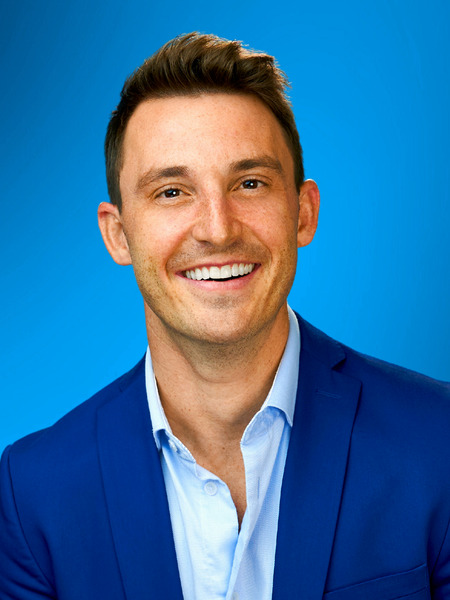
Alex Weber
Be Unstoppable! with Leadership & Performance Expert, American Ninja Warrior, & Acclaimed Author

Dr. Jessica Kriegel
CEO Advisor and Doctor of Leadership, Best-selling Author
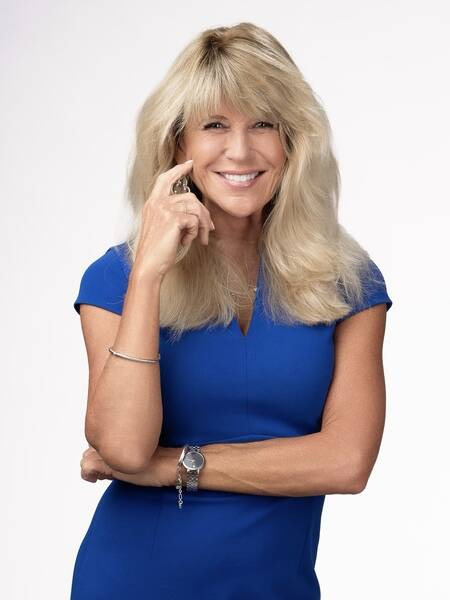
Kim Bearden
Best Selling Author, Co-founder at Ron Clark Academy, and National Teacher Hall of Fame; Organization Culture / Climate and Communication Specialist

Candy Valentino
Founder, investor, WSJ Best-Selling Author and Serial Entrepreneur

Deion Sanders
Pro Football Hall of Famer, Two-Time Super Bowl Champion and Coach
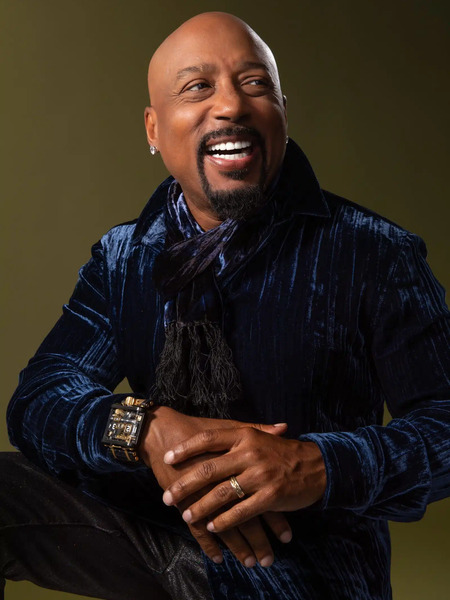
Daymond John
Founder/CEO of FUBU, Presidential Ambassador for Global Entrepreneurship, Star of ABC's Shark Tank and CEO of The Shark Group

Jon Acuff
One of INC's Top 100 Leadership Speakers, New York Times Bestselling Author of Soundtracks, Finish and Do Over
Ron Clark
"America's Educator", NYTimes Best Selling Author, Disney's American Teacher of the Year, and Founder of the Ron Clark Academy