Bruce Blythe has made several presentations for us and our audiences have found him to be engaging, authoritative, and with keen insight into the dynamics of crisis management. Bruce is an excellent speaker and makes his points clearly and effectively.


Bruce T. Blythe
Crisis Management Expert
Profile Links
Fee Range
Please contact us for pricingTravels From
Honolulu , Hawaii, US
Bruce T. Blythe
Biography
Bruce Blythe is an internationally acclaimed crisis management expert. He is the owner and Executive Chairman of R3 Continuum that provides employers with integrated crisis readiness, crisis response, and employee return-to-work services. They have assisted hundreds of companies worldwide with crisis, workplace violence, and business continuity planning, training and exercising. They also provide consultations worldwide for defusing serious disputes, hostilities and workplace violence threats. On average, they respond onsite to 1300 international workplace crises of all sorts per month. Finally, they work with insurers and large employers in accelerating employee return-to-work for workers comp, disability, and non-occupational injury claims throughout North America and Australia.
Mr. Blythe has been personally involved in crises such as the 1993 World Trade Center bombing and 9/11 terrorism, mass murders at the U.S. Postal Service, the Oklahoma City and Boston Marathon bombings, commercial air crashes, rescue of kidnap and ransom hostages in Columbia and Ecuador, hurricanes, earthquakes, fires, floods, and reputational crises. He serves as a consultant to numerous Fortune executives and managers in Strategic Crisis Leadership preparedness and response.
Widely regarded as a thought leader in the crisis management and business continuity industries, he is the author of Blindsided: A Manager's Guide to Crisis Leadership. He has served in the Military Police for the U.S. Marine Corps. He's a certified clinical psychologist and has been a consultant to the FBI on workplace violence and terrorism.
Blythe has appeared on NBC's Today Show, CNN, ABC's 20/20, CBS's 48 Hours, CNBC, NPR and others. Fast Company Magazine published a cover-story article about Blythe's companies responding onsite to 204 companies in NYC, all within three weeks following 9/11. He provides commentary in The Wall Street Journal, Newsweek, Business Week, Smart Money, New Yorker, Fortune Magazine, and USA Today. He serves as a keynote presenter to multiple national and international conferences per year.
Bruce T. Blythe
Featured Keynote Programs
Strategic Crisis Leadership
The three fundamentals of leading in a crisis
When serious crises hit, senior management’s responsibilities are to protect the organization’s core assets, e.g., people, reputation, brand, and finances. Most crisis planning, however, focuses only on tactical response. It is vital to the well being of the organization that crisis managers at all levels be prepared to make high-leverage, defining moment decisions when needed. This calls for strong Strategic Crisis Leadership, which involves being the right kind of person during stressful times, knowing what to do to lead effectively, and executing decisions with efficiency. This presentation will provide take-and-use guidelines based on latest crisis leadership research, case histories, and the speaker’s vast Strategic Crisis Leadership consulting experience.
Workplace Violence
Effectively Mitigating Threatening Situations in the Workplace
Corporate managers must utilize an effective and defensible method for handling threats of violence. This includes a defensible workplace violence policy, guidelines on what to do immediately upon initial notification, and field-tested methods for assessing and defusing dangerous situations. A structured and legally compliant documentation method is also a vital component. Unfortunately, many corporate workplace violence programs cannot withstand public and legal scrutiny following a serious violent incident. This presentation provides guidelines for bringing your workplace violence program up to today’s compliance standards, with established best practices for effectiveness and defensibility. Most importantly, this presentation will truly help managers protect the lives of people that they care about in the workplace.
Objectives:
- Learn take-and-use methods for effectively assessing and defusing threatening situations
- Understand the components of a structured threat management
methodology from initial notification to purposeful disengagement
- Meet today’s compliance standards in a defensible manner
Hostility Management...in the Workplace and Beyond
In the time it takes you to read this presentation description, an average of 1 murder, 5 rapes, 40-armed robberies, and 60 aggravated assaults will take place in the United States.
In order to effectively manage hostile situations in the workplace or in daily living, you must program your mind as to how you will respond if such a situation should arise. Having a plan will:
- Help you effectively defuse hostile people and avoid aggression or violence
- Confidently anticipate the aggressor’s moves for avoidance advantage
- Allow you to comply with legal and corporate guidelines re: hostility in the workplace
This training program teaches take-and-use strategies for reducing and defusing verbal and physical hostility through a variety of communication skills, spacing principles and escape responses.
During this program you will:
- Learn usable methods and strategies for reducing and defusing hostile behavior
- Better understand and manage the mindset of potentially violent individuals
- Develop a plan for effectively handling threatening situations within various levels of severity
Crisis Team Leadership
Effective crisis management is a team process.
It is easy for Crisis Management Teams to lose effectiveness in the midst of unexpected high-velocity crises. While some CMTs function effectively during crisis situations, most do not function optimally. This presentation will sequentially identify and discuss the components and practices of successful Crisis Management Teams from notification to de-escalation.
Participants will have an opportunity to interactively practice field-tested methods for optimal skill transfer from world recognized thought leader, Bruce T. Blythe, CEO, Crisis Management International. Take-and-use methods will be provided for optimizing crisis management capabilities, such as, crisis communications, crisis information management, identifying and addressing stakeholder needs, staying ahead of the “curve”, crisis team leadership, and making effective crisis team decisions.
Bruce T. Blythe
Featured Book

Blindsided: A Manager's Guide to Catastrophic Incidents in the Workplace
by Bruce T. Blythe
Bruce T. Blythe
Featured Reviews
Bruce T. Blythe
Featured Articles & Resources
21 Ways To Prevent Workplace Violence In Your Organization
R3 Chairman, Bruce T. Blythe, recently published expert commentary entitled, “21 Ways To Prevent Workplace Violence In Your Organization” for SourceSecurity.com. Follow the link...
Topics:
Leadership
Components of a Comprehensive Workplace Violence Program
Read Bruce T. Blythe’s latest article entitled, “Components of a Comprehensive Workplace Violence Program” by clicking here.
Bruce Blythe is an internationally...
Frequently Asked Questions
Quick answers to some of the most common questions about booking Bruce T. Blythe for your event.
How do I book Bruce T. Blythe for my event?
Booking Bruce T. Blythe with Premiere Speakers Bureau is a streamlined 4-step process:
- Availability Check: Contact us with your event date and budget to verify if your desired speaker is available.
- Hold Date: We place a temporary "hold" on the speaker's calendar while you finalize internal approval.
- Contracting: We issue a contract outlining the fee, cancellation policy, and event expectations.
- Logistics: Once signed, our event management team handles all travel booking, itinerary, and AV requirements.
Why should I partner with Premiere Speakers Bureau rather than contacting speakers directly?
Partnering with Premiere Speakers Bureau provides a comprehensive safety net for your event that direct booking cannot match. You get the same speaker for the same price, but with a dedicated team with over 30 years of event experience handling contracts, logistics, and are prepared for any emergency. We know what it takes to run an excellent event.
What makes Premiere Speakers Bureau unique compared to other agencies?
Premiere Speakers Bureau distinguishes itself by having over 30 years of experience while partnering with more than 35,000 events. PSB has also built a streamlined, fully online process that makes booking a speaker, handling travel and payments extremely easy for anyone looking to plan a speaker led event.
How does Premiere Speakers Bureau's 'Zero Cost Service' model work?
Premiere Speakers Bureau operates on a 'Zero Cost Service' model for event planners. Our services—including research, booking, and logistics—are always free to the client. The speaker covers our commission from their standard honorarium as payment for our role in marketing and managing their engagements.
How are speaker fees structured, and what is typically included?
A speaker's fee typically covers the keynote presentation, a pre-event planning call, and standard customization. Travel expenses are usually billed separately.
What are the standard policies for speaker travel and expenses?
Travel expenses are negotiated during contracting. We generally recommend a flat travel fee for simplicity, though we also offer line-by-line invoicing when preferred. PSB ensures these expenses adhere to professional standards, and our Event Portal allows for easy tracking and invoicing.
Bruce T. Blythe's Featured & Related Topics
Find Similar Speakers Conflict Management


Popular Speakers

Ryan Leak
Inspiring Workplace Cultures Rooted in Values, Passion and Risk-Taking

Kim Bearden
Best Selling Author, Co-founder at Ron Clark Academy, and National Teacher Hall of Fame; Organization Culture / Climate and Communication Specialist

Jon Acuff
One of INC's Top 100 Leadership Speakers, New York Times Bestselling Author of Soundtracks, Finish and Do Over
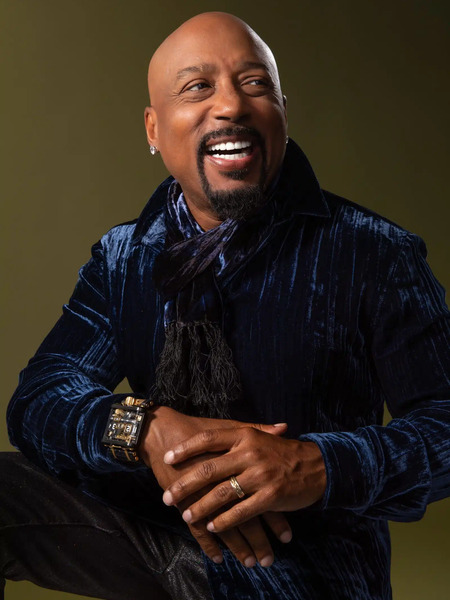
Daymond John
Founder/CEO of FUBU, Presidential Ambassador for Global Entrepreneurship, Star of ABC's Shark Tank and CEO of The Shark Group

Valorie Burton
Best-Selling Author, President and CEO of The Coaching and Positive Psychology (CaPP) Institute, Personal and Executive Coach and International Speaker

Dr. Ben Carson
Former US Secretary of Housing and Urban Development / Conservative Political Thought Leader / Renowned Pediatric Neurosurgeon

Earvin “Magic” Johnson
Five-Time NBA Champion, Entrepreneur

Ron Clark
"America's Educator", NYTimes Best Selling Author, Disney's American Teacher of the Year, and Founder of the Ron Clark Academy