Eleanor Roosevelt is an enigma. Shy and insecure, she awakened the nation to the needs of those alienated in American society. The champion of work training, social integration, better housing, government support of the arts, expanded health care, and the rights of women and children, she was considered by some to be "the most dangerous woman in the United States." The United Nations recognized Eleanor Roosevelt as the "First Lady of the World."
Carry Nation was known to many as a good neighbor, a friend to those in need, and a loving, caring Christian. Others denounced her as a quack, a humbug, a bully, a busybody, and a common scold. When Carry entered a saloon, carrying a shiny new hatchet and singing one of her temperance songs, even sober men ran for cover!
Carry Nation was instrumental in Oklahoma coming into the Union as a dry state. Within a decade, the 18th amendment brough national prohibition. In 1933, the 21st amendment repealed the 18th. However, Oklahoma kept prohibition in effect from 1907-1959.
Bella came into the world “yelling” and she kept yelling the rest of her life -- for the causes in which she believed. Bella Abzug was a fighter for justice and peace, equal rights, human dignity, environmental integrity and sustainable development. Her work and vision advanced human goals and political alliances worldwide.
Bella led the Women Strike for Peace organization in its lobbying efforts before Congress and in demonstrations in the streets of Washington and New York protesting against nuclear testing.
She tried to forge a broad, progressive coalition across party lines to address the concerns of the poor, ethnic minorities, and women’s groups. She joined with other liberal Democrats to found the New Democratic Coalition.
Elected to Congress in 1970, Bella authored numerous bills intended to prevent sex discrimination and to improve the status of women. In 1971, she organized the National Women’s Political Caucus. She became a regular columnist for Ms. Magazine, was a highly visible member of NOW and a staunch crusader for the passage of the Equal Rights Amendment. Abzug was a cable TV commentator, was a fellow at Harvard University’s Kennedy School, and was a popular speaker throughout the country for the decade of the ‘80s.
Appointed as special adviser to the Secretary-General of the UN Conference on Environment and Development (UNCED), she co-founded the Women’s Environment and Development Organization (WEDO) - which works to give women around the world greater access to political power.
In 1912, Alice Paul organized the National Women’s Party. Under Paul's leadership, the NWP injected a renewed militancy into the American campaign for women suffrage. They held street meetings, distributed pamphlets, petitioned and lobbied legislators, and organized parades, pageants, and speaking tours. After the NWP began to picket the White House in 1917, the women were arrested, imprisoned, and often force-fed when they went on hunger strikes in their protest of not being treated as political prisoners.
The NWP’s militant tactics and steadfast lobbying, coupled with public support for imprisoned suffragists, forced President Woodrow Wilson to endorse a federal woman suffrage amendment in 1918. Congress passed the measure in 1919, and the 19th Amendment was signed into law on August 26, 1920. Twenty-six million women had won the right to vote!
Alice Paul introduced the Equal Rights Amendment into Congress in 1923 and again in 1943. It has been re-introduced into Congress every year since 1982. In 2008, the ERA still lacks the ratification by three states to become a constitutional amendment. The Equal Rights Amendment would provide legal, economic, educational, and social equality for women, as well as for men, in the United States of America
Serving as a unique and powerful team, they led America through the great depression and a world war. Their leadership dramatically altered America and the world. Franklin and Eleanor Roosevelt became the most influential people on earth for 12 years (1933-1945).
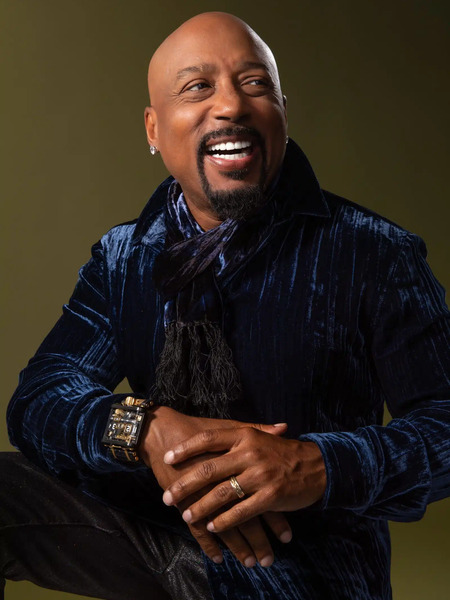
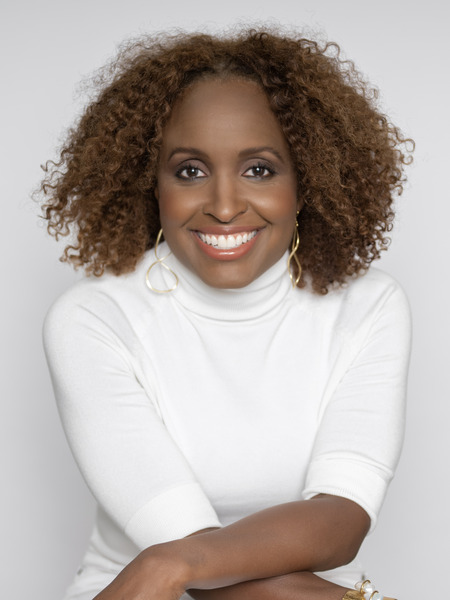
Dr. Gary Gray and Erma Stewart present two history snapshots. For President Franklin D. Roosevelt, the date is April 8, 1945 at the "Little White House" after meeting with Winston Churchill and Joseph Stalin in Yalta. For Eleanor Roosevelt, the date is December 23, 1948 at her Val-Kill, NY, cottage just days after the UN ratification of the Universal Declaration of Human Rights.
Franklin and Eleanor Roosevelt continue to create interest across the generations. This vignette affords an intimate look at the thoughts and feelings of this influential couple.
![]() |