

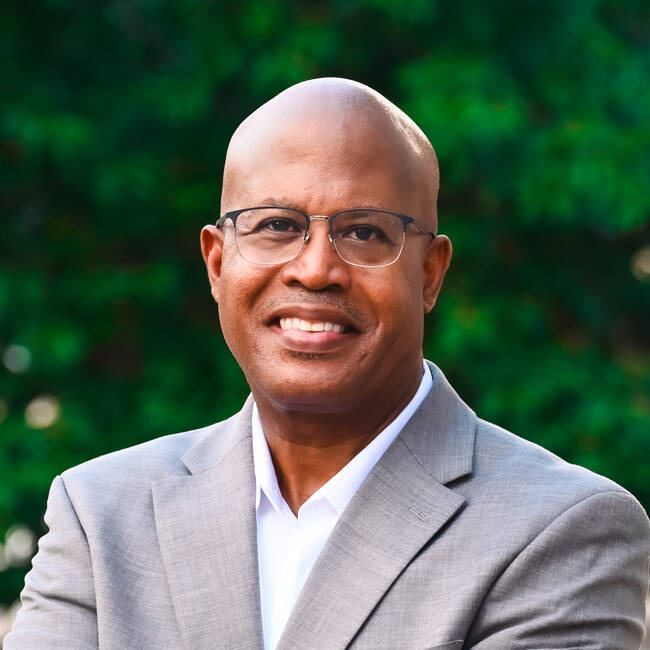
Brian Mull
One of Google’s 1st Google Certified Teachers, Innovation in Education and Learning Design
Profile Links
Fee Range
Please contact us for pricingTravels From
New Orleans, Louisiana, United States
Brian Mull
Biography
From his earliest days as a middle school teacher, Brian embraced technology's vast potential in students' learning experiences. This interest eventually led to a job in New Orleans at Trinity Episcopal School as the Director of Technology. There, he led in the development of a growing technology program for seven years--the last of which was focused on sustaining ties within the school community during and in the months following Hurricane Katrina.
Eager to share his experiences as an educator, technology director, and parent, and keen on developing his thinking, Brian began engaging with schools nationally and internationally through his work as an education consultant and his development of a vast global learning community. In addition to his mentoring in various schools and districts, he also led keynotes and hands-on presentations in schools and at conferences across the United States, in Canada, in Europe, and in Asia. Some of these events include the Building Learning Communities Conference (BLC), the Cisco-sponsored Smithsonian American Art Museum Teacher Institute, the Louisiana Association of Computer Using Educators Conference (LACUE), the European League for Middle-Level Educators Conference (ELMLE), and Practical Pedagogies. He's also been a co-lecturer for an Executive Doctoral Program for K-12 School Administration at Seton Hall University.
While continuing to consult and present, Brian's focus is back at Trinity Episcopal School as its Learning Design Coordinator, where he collaborates with an adventurous team of educators who are currently reimagining and revisioning their deeply held beliefs about teaching and learning. This ongoing work will be supported through his 2018-19 fellowship opportunity with Leadership+Design.
Brian Mull
Featured Video
Current: Skype Interview with Brian Mull
Time 09:10
Brian Mull
Featured Keynote Programs
Connective Learning
An Introduction to Google Tools in Education
Learn how to tap Google’s free online toolset and knock down the walls of your classroom, engage students and make connections in new and exciting ways. During this pre-conference session you will build robust learning solutions that you can immediately apply in your classroom. Develop a custom search engine based on your particular subject area or unit of study. Create an interactive map for your literature, history, math or science class. With these and other open-ended tools, the options are endless.
Ethics and Safety
Internet Safety is an essential part of working with children and the Web, and yet many of us know very little about it. In this session you will learn many myths and conflicting messages we hear about online safety. You will also discuss the issues involved with building a code of ethics for your school and your students.
Mapping Your Curriculum with Google Maps
In today's globally connected society, geography is more important thn ever. Google Maps is a free tool that is easy enough to use with all ages. Even elementary grade students can dive in. You will learn to build a tour within Google Maps - complete with descriptions, links and images. Great for ANY subject area.
Tools of Engagement
Today, the Internet offers us a wide variety of tools that can be used to enhance your current curriculum. From mapping software and communication tools to wikis and online photo management, your students can find ways of learning and presenting new information in fun and motivating ways. It may sound overwhelming, but in this session, learn how to effectively channel all of these resources together.
Frequently Asked Questions
Quick answers to some of the most common questions about booking Brian Mull for your event.
How do I book Brian Mull for my event?
Booking Brian Mull with Premiere Speakers Bureau is a streamlined 4-step process:
- Availability Check: Contact us with your event date and budget to verify if your desired speaker is available.
- Hold Date: We place a temporary "hold" on the speaker's calendar while you finalize internal approval.
- Contracting: We issue a contract outlining the fee, cancellation policy, and event expectations.
- Logistics: Once signed, our event management team handles all travel booking, itinerary, and AV requirements.
Why should I partner with Premiere Speakers Bureau rather than contacting speakers directly?
Partnering with Premiere Speakers Bureau provides a comprehensive safety net for your event that direct booking cannot match. You get the same speaker for the same price, but with a dedicated team with over 30 years of event experience handling contracts, logistics, and are prepared for any emergency. We know what it takes to run an excellent event.
What makes Premiere Speakers Bureau unique compared to other agencies?
Premiere Speakers Bureau distinguishes itself by having over 30 years of experience while partnering with more than 35,000 events. PSB has also built a streamlined, fully online process that makes booking a speaker, handling travel and payments extremely easy for anyone looking to plan a speaker led event.
How does Premiere Speakers Bureau's 'Zero Cost Service' model work?
Premiere Speakers Bureau operates on a 'Zero Cost Service' model for event planners. Our services—including research, booking, and logistics—are always free to the client. The speaker covers our commission from their standard honorarium as payment for our role in marketing and managing their engagements.
How are speaker fees structured, and what is typically included?
A speaker's fee typically covers the keynote presentation, a pre-event planning call, and standard customization. Travel expenses are usually billed separately.
What are the standard policies for speaker travel and expenses?
Travel expenses are negotiated during contracting. We generally recommend a flat travel fee for simplicity, though we also offer line-by-line invoicing when preferred. PSB ensures these expenses adhere to professional standards, and our Event Portal allows for easy tracking and invoicing.
Brian Mull's Featured & Related Topics
Find Similar Speakers Teaching Principles






Popular Speakers
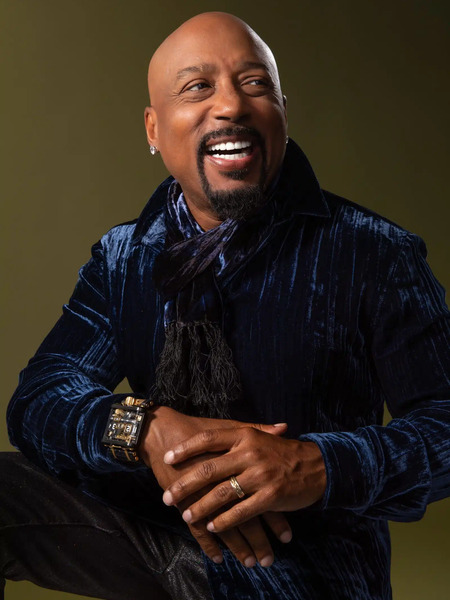
Daymond John
Founder/CEO of FUBU, Presidential Ambassador for Global Entrepreneurship, Star of ABC's Shark Tank and CEO of The Shark Group

Kim Bearden
Best Selling Author, Co-founder at Ron Clark Academy, and National Teacher Hall of Fame; Organization Culture / Climate and Communication Specialist

Deion Sanders
Pro Football Hall of Famer, Two-Time Super Bowl Champion and Coach

Jon Acuff
One of INC's Top 100 Leadership Speakers, New York Times Bestselling Author of Soundtracks, Finish and Do Over

Ron Clark
"America's Educator", NYTimes Best Selling Author, Disney's American Teacher of the Year, and Founder of the Ron Clark Academy

Dr. Ben Carson
Former US Secretary of Housing and Urban Development / Conservative Political Thought Leader / Renowned Pediatric Neurosurgeon

Dr. Jessica Kriegel
CEO Advisor and Doctor of Leadership, Best-selling Author

Earvin “Magic” Johnson
Five-Time NBA Champion, Entrepreneur